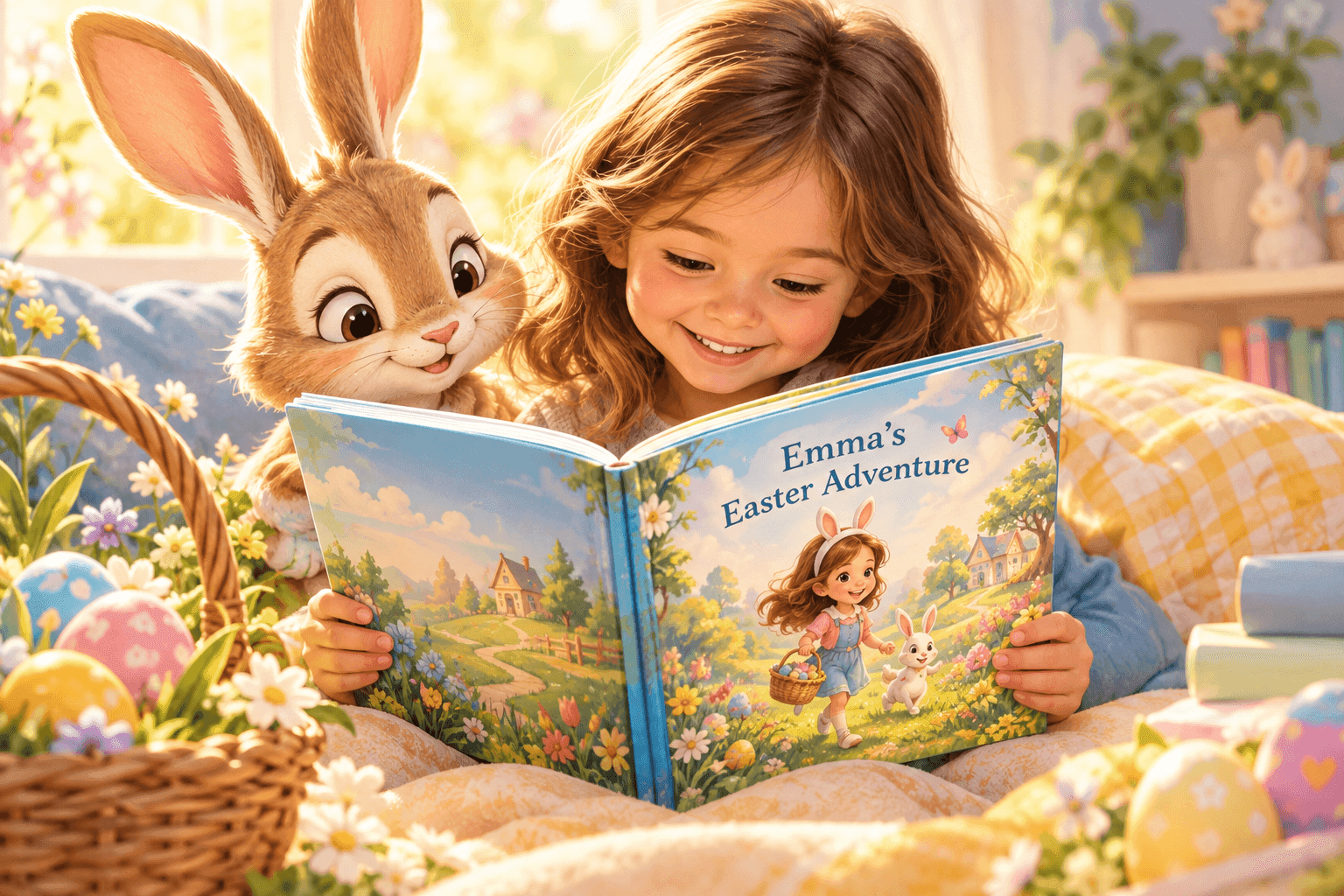
Personalised Books for Kids with Photos — Complete 2026 Guide | LuluStories
Here's how photo-based AI storybooks work, what to look for, and how to create one free.
Not all personalised children's books are the same. There's a significant difference between a book that uses your child's name and a book that uses your child's face — and if you've landed here, you already suspect that difference matters.
It does. Enormously.
This guide covers everything parents need to know about personalised children's books with photos in 2026: how the technology works, what separates a great photo-based storybook from a disappointing one, and how to create one that your child will ask to read every single night.
What does "personalised book with photos" actually mean?
The phrase covers two quite different things, and it's worth being clear on the distinction before you spend money on the wrong one.
Photo insertion is the simpler version. Your child's actual photograph is placed onto pre-illustrated pages — their real face appears in a cartoon world, but it's clearly a photo sitting on top of a drawing. The character doesn't change across pages; it's the same image placed in different spots. The effect is charming but limited: your child is a visitor in a drawn world, not a resident of it.
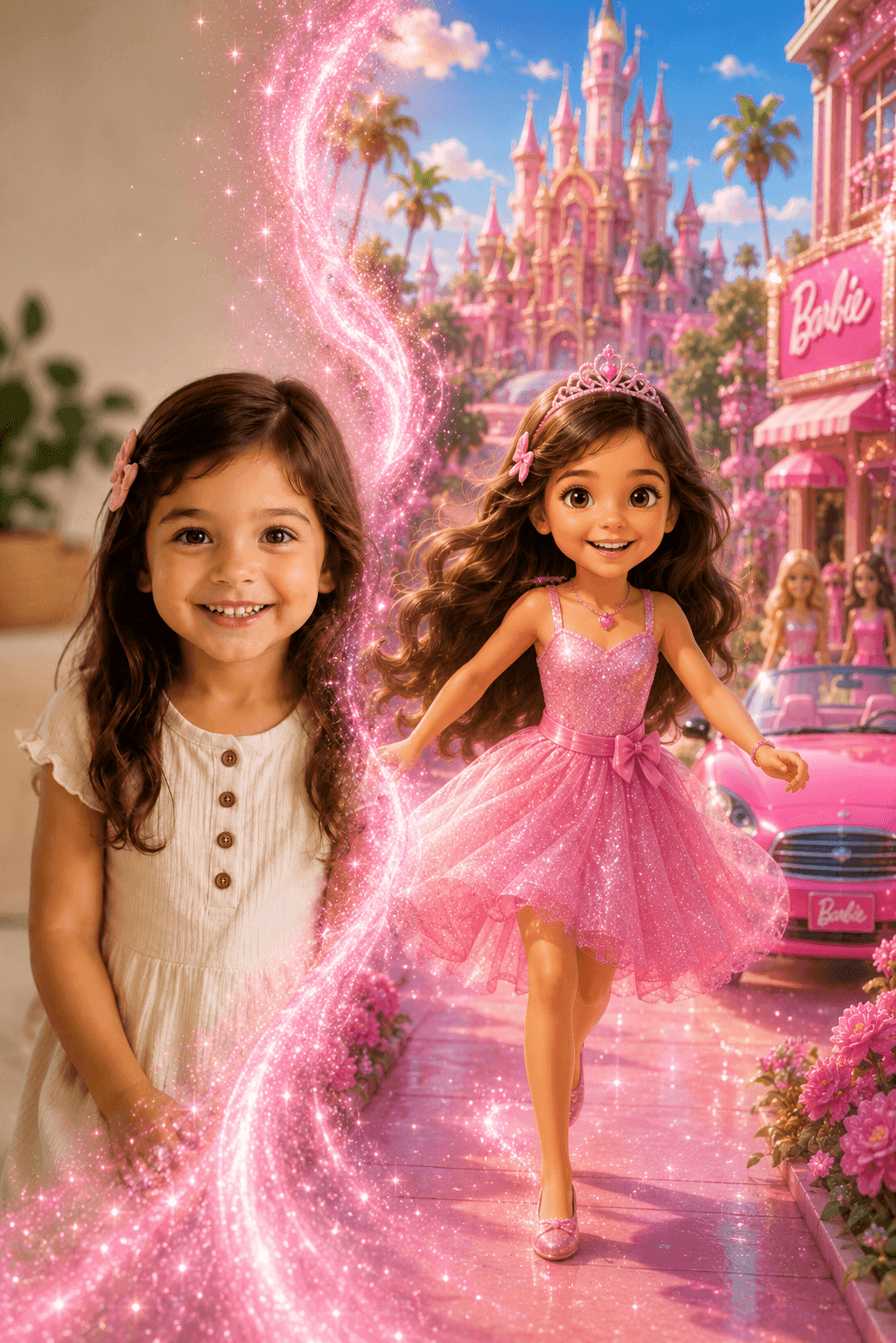
AI photo transformation is the more sophisticated version — and the one that produces the reaction parents talk about. Your child's photo is used as the reference to generate an illustrated character that looks like them. The result isn't a photo on a page; it's a fully illustrated version of your child that belongs visually in the storybook world. This character appears across every page — different poses, different expressions, different scenes — consistently, as if they had always existed in the story.
The difference between these two approaches is the difference between "that's a photo of me in a book" and "that's me in this story." For children, particularly toddlers and young children who are still developing their understanding of representation, the second experience is dramatically more powerful.
LuluStories uses AI photo transformation — not photo insertion. Your child's face becomes a true illustrated character, consistent from the first page to the last.
Why photos make personalised books so much more effective
The self-referential processing effect — the well-documented psychological phenomenon where the brain encodes information about the self more deeply than information about others — is significantly amplified when the personalisation includes visual self-recognition.
A child seeing their name in a story gets a mild version of this effect. A child seeing their face — illustrated as the hero of an adventure — gets the full version. Their brain identifies the character as self rather than other and allocates attention and emotional engagement accordingly.
In practical terms, this is why photo-personalised books produce the reactions they do. The "that's me!" moment isn't just sweet — it's neurologically meaningful. The child is not just recognising a name. They are recognising themselves, which triggers a qualitatively different level of engagement.
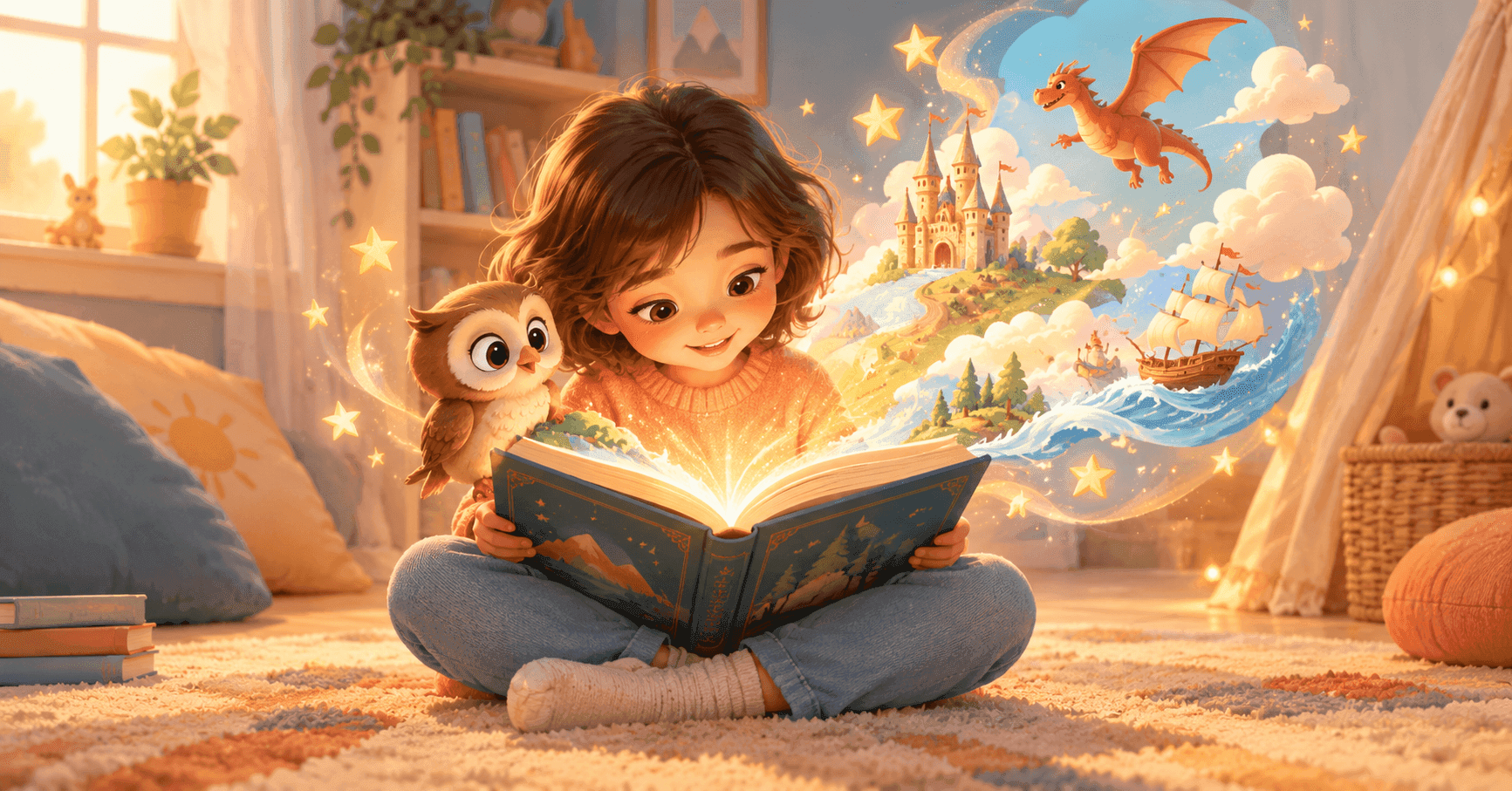
Parents consistently report that children who have resisted sitting through bedtime stories will remain engaged through a photo-personalised book from cover to cover — and then ask for it again. The content hasn't changed. The relationship between the child and the story has changed because the story now contains them.
The most important thing to check: character consistency
If you take one thing from this guide, let it be this: character consistency is the single most important technical factor in a photo-personalised children's book.
Character consistency means your child looks the same on every page of the story. Same face, same features, same overall appearance — even as the character moves through different scenes, wears different clothing, and shows different expressions.
This sounds like a basic requirement. It isn't. Maintaining a consistent character across many independently generated illustrations is one of the hardest problems in AI image generation, and many platforms still fail at it.
When consistency fails, the child on page one has different hair from the child on page five. The shape of their face shifts between illustrations. Their skin tone varies. A four-year-old will notice immediately — and will point it out every single time the book is read.
Before committing to any personalised photo book platform, always look at multi-page sample outputs — not just cover images or single illustrations. If the sample only shows one or two pages, that's often because consistency across a full book is a problem they'd rather you not see.
LuluStories is built specifically around solving the consistency problem. Every story is generated with character consistency as the primary technical constraint — the same face, same features, across every page.
What makes a truly great personalised photo storybook
Beyond character consistency, here's what separates an exceptional photo-personalised book from one that disappoints:
An original story, not a template. Some platforms generate what looks like personalisation but is actually a fixed story with a photo and name swapped in. Every child who orders the same "birthday adventure" template gets the same story — only the face and name differ. A genuinely personalised book uses your child's specific details — their interests, personality, current obsessions, favourite themes — to generate a story that doesn't exist anywhere else. No two children should receive the same book.
Age-appropriate writing. A story for a two-year-old needs short sentences, gentle repetition, and a world that feels safe and familiar. A story for an eight-year-old needs real plot, real stakes, and vocabulary that stretches them without losing them. The best platforms adjust both the writing style and the story complexity based on the child's actual age — not a one-size-fits-all template.
Illustration quality that earns its place on a shelf. The illustrations in a personalised book need to be genuinely beautiful — the kind that could sit alongside a professionally published picture book without looking out of place. AI illustration quality has improved dramatically in the past two years, but it varies enormously between platforms. Always look at full-page samples across multiple art styles before choosing.
Multiple art style options. Different children respond to different visual aesthetics. A soft watercolour palette suits some children and feels too muted for others. Bright, bold cartoon styles work brilliantly for toddlers but can feel too young for a seven-year-old. Cinematic 3D illustration has a richness that older children particularly love. A platform worth using should offer several distinct styles and let you preview before committing.
A print option worth having. If you're creating a book to be read repeatedly — not just a digital novelty — the physical product matters. Look for proper hardcover binding, high-quality paper that handles page-turning by small hands, and colour printing that stays vibrant rather than fading into muddy pastels.
How to create a personalised book with your child's photo on LuluStories
The process on LuluStories is designed to be simple enough to complete in five minutes while producing a result that actually reflects your child.
Upload a photo. A clear, well-lit photo of your child's face is all you need — a phone photo works perfectly. LuluStories uses this to generate a consistent illustrated character that will appear throughout the story.
Add your child's details. Name, age, and the things that make them specifically them — their favourite animal, their current obsession, their best friend's name, their pet, a theme or adventure type they love. The more specific you are, the more the story will feel genuinely built around them rather than a general child.
Choose an art style. LuluStories offers multiple styles including Watercolour, Cinematic 3D, Studio Ghibli-inspired, Anime, and Cartoon. Each produces a completely different look and feel — choose the one that suits your child's personality and the occasion.
Select a story theme. Nature adventure, space exploration, ocean discovery, friendship, magic, seasonal — or describe a specific premise you have in mind. Add any additional characters: siblings, pets, grandparents, best friends.
Preview and decide. The full illustrated story is generated in minutes. Read it through digitally, then decide whether to keep it as a digital book, download as a PDF, or order a premium printed hardcover delivered to your door.
Your first story is completely free — no account or payment details needed to start.
Create your child's personalised photo storybook free →
Photo privacy: what to check before uploading
Any platform that accepts photo uploads of children requires scrutiny on data handling. Before uploading your child's photo to any service, check these three things in their privacy policy:
Photo retention. How long does the platform keep the uploaded photo after the story is generated? Responsible platforms delete photos promptly after use rather than retaining them indefinitely.
Data sharing. Is the photo or the generated character data shared with third parties for any purpose, including AI model training? Check whether you can opt out.
Children's data laws. Reputable platforms comply with COPPA (US), GDPR (Europe), and equivalent regional children's data protection laws. If the privacy policy doesn't reference these, treat that as a warning sign.
LuluStories handles photo data in compliance with GDPR and applicable data protection regulations. When in doubt, always read the privacy policy before uploading — not after.
The best occasions for a personalised photo storybook
Photo-personalised books work for almost any occasion, but these are the moments where the impact is greatest:
Birthdays. A book where your child is the hero of a birthday adventure — generated with their actual face and built around the things they love at this exact age — is a gift that no standard toy or voucher can match. Order a printed hardcover and it becomes something they'll keep for decades.
Christmas and holidays. The most popular time of year for personalised book orders. A printed hardcover under the tree outperforms almost any toy for emotional resonance and longevity.
New baby welcome. A book welcoming a new sibling into the family, starring the older child as the caring, capable hero of the story, handles the transition in a way that feels affirming rather than threatening.
Starting school. A confidence-building adventure about bravery and new beginnings, featuring your child's face, is a powerful tool for an anxious child facing their first big step.
From grandparents. A grandparent-gifted photo storybook carries particular emotional weight — both for the child who receives it and for the grandparent who creates it. It bridges distance, generations, and languages in a way that few gifts can.
Just because. Some of the most treasured photo storybooks arrive on ordinary days, for no particular reason, simply because a parent wanted to make something special for their child. That matters too.
Frequently asked questions
What photo works best for a personalised children's book? A clear, well-lit photo of your child's face, ideally looking roughly toward the camera. A recent phone photo in good light is perfectly adequate — you don't need a professional photograph. Avoid photos with strong shadows across the face, sunglasses, or partial face visibility.
Can I include more than one child in the story? Yes. LuluStories supports additional characters by description — you can include siblings, friends, or pets alongside the main character whose photo you upload. The additional characters are generated from your description rather than a separate photo.
Is the digital version the same quality as the printed book? The story and illustrations are identical. The digital version can be read immediately on any device. The printed hardcover is a physical book with professional binding and high-quality paper — more permanent, more gift-appropriate, and more likely to become a treasured keepsake.
How long does delivery take for a printed book? Printed hardcovers typically take 5–10 business days depending on your location. For time-sensitive occasions, order at least two weeks in advance.
Is it really free to start? Yes. Your first complete personalised story is free to create and read digitally. No payment details are required to begin. Printed books and additional stories are available on paid plans.
The bottom line
Personalised children's books with photos are not a minor upgrade on name-insertion books. They are a qualitatively different experience — one that produces a qualitatively different reaction, builds a qualitatively different relationship between a child and reading, and creates a qualitatively different kind of keepsake.
The technology to do this well — with genuine character consistency, original AI-generated stories, multiple art styles, and professional print quality — now exists and is accessible to any parent. The first story costs nothing to try.
The moment your child sees their face on the first page of a story written just for them is one of those small, quiet moments of parenthood that stays with you.
It starts with a single photo.
Create your child's personalised photo storybook — first one completely free →
Related posts: · Personalised Children's Books 2026 — The Complete Guide · Why Children Love Stories About Themselves · Best Wonderbly Alternatives in 2026 · The Best Personalised Birthday Book for Kids
Ready to create your child's own storybook?
Turn your child into the hero of a fully illustrated, personalized story in minutes.