How to Teach a Toddler to Count: 10 Everyday Counting Games
Ten playful counting games for everyday moments, what to expect at each age, and how to help numbers really stick.
Most children don't learn to count at a table with flashcards. They learn on the stairs, at snack time and in the bath, one small moment at a time. If you're wondering how to teach a toddler to count, the good news is that you already have everything you need at home.
This guide covers what counting looks like at different ages, ten everyday counting games, and a few tips that help numbers stick.
What counting looks like at different ages
Every child develops at their own pace, so treat these as rough signposts, not deadlines.
- Around 2 years: many toddlers start saying number words, often in a jumbled order ("one, two, five!"). That's a normal first step.
- Around 3 years: many children can recite numbers up to about 10 and start touching objects as they count, though they may skip or double-count.
- Around 4 years: many children understand that the last number they say tells them "how many", and can count small groups of objects correctly.
- Around 5 years: many children count to 20 or beyond and start comparing amounts ("I have more than you!").
There's a difference between reciting numbers like a song and counting objects one by one. Toddlers usually learn the song first. The games below help connect the words to real things.
10 everyday counting games
1. Count the stairs
Count every step out loud as you go up and down. The rhythm of climbing makes the numbers easy to remember.
2. Snack-time counting
Put three raisins or four apple slices on a plate and count them together before eating. Then count again as they disappear.
3. Finger counting songs
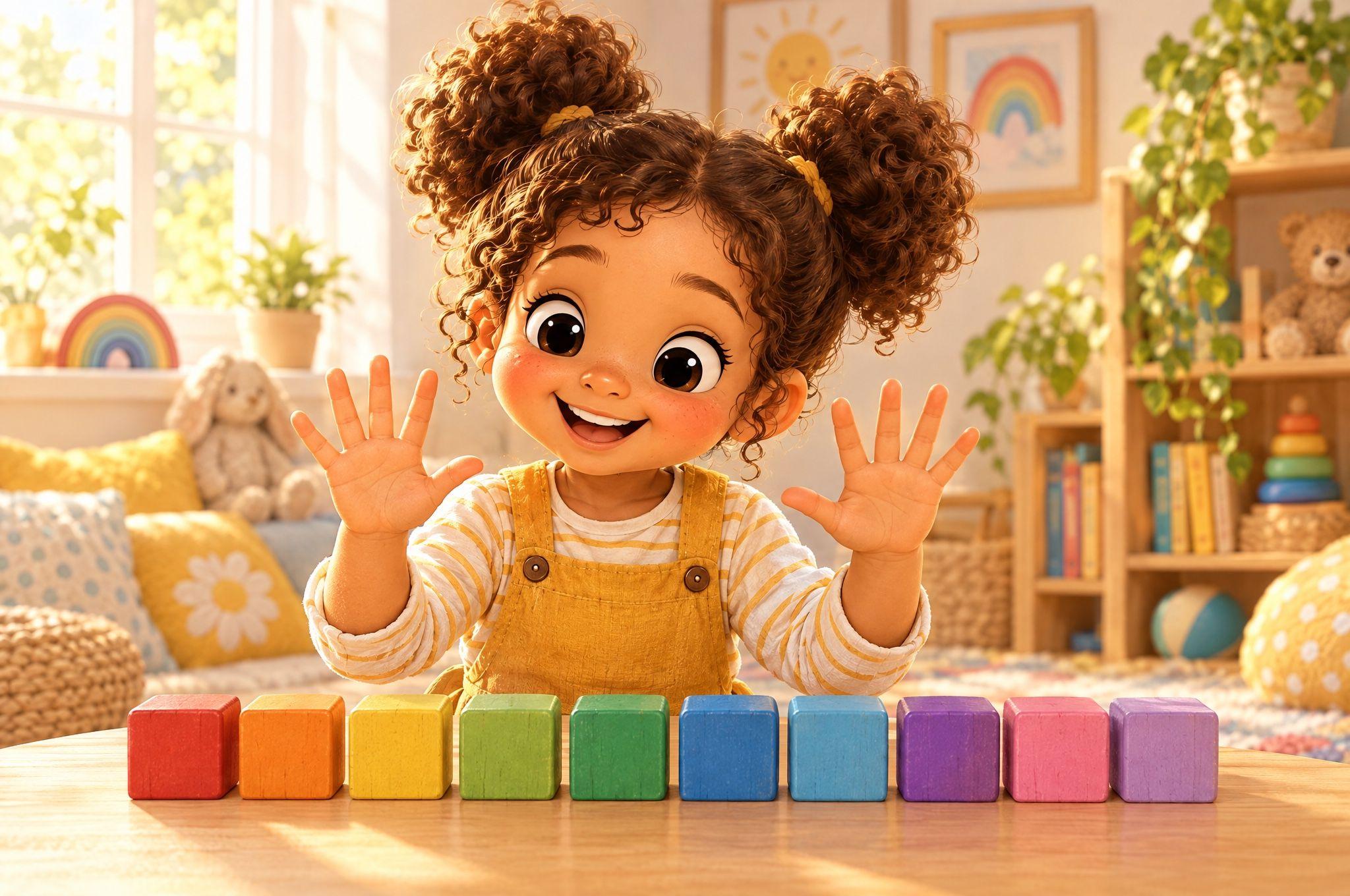
Songs like "Five Little Ducks" or "Ten in the Bed" link numbers to fingers. Hold up the right number of fingers as you sing.
4. Toy tidy-up
"Can you put five blocks in the box?" Tidying becomes a counting game, and the room gets cleaner too.
5. Bath-time ducks
Line up bath toys on the edge of the tub and count them. Knock one into the water and count again.
6. Counting walks
Pick one thing to count on a walk: red cars, dogs, trees or puddles. Children love being the one to spot the next one.
7. Set the table
Ask your child to bring one spoon for each person. This teaches one-to-one matching, the foundation of counting.
8. Jump and clap
Count jumps, claps or stomps together. Moving the body while counting helps active toddlers stay focused.
9. Shopping helper
"We need three bananas. Can you count them into the bag?" Real tasks make numbers feel important.
10. Counting books at bedtime
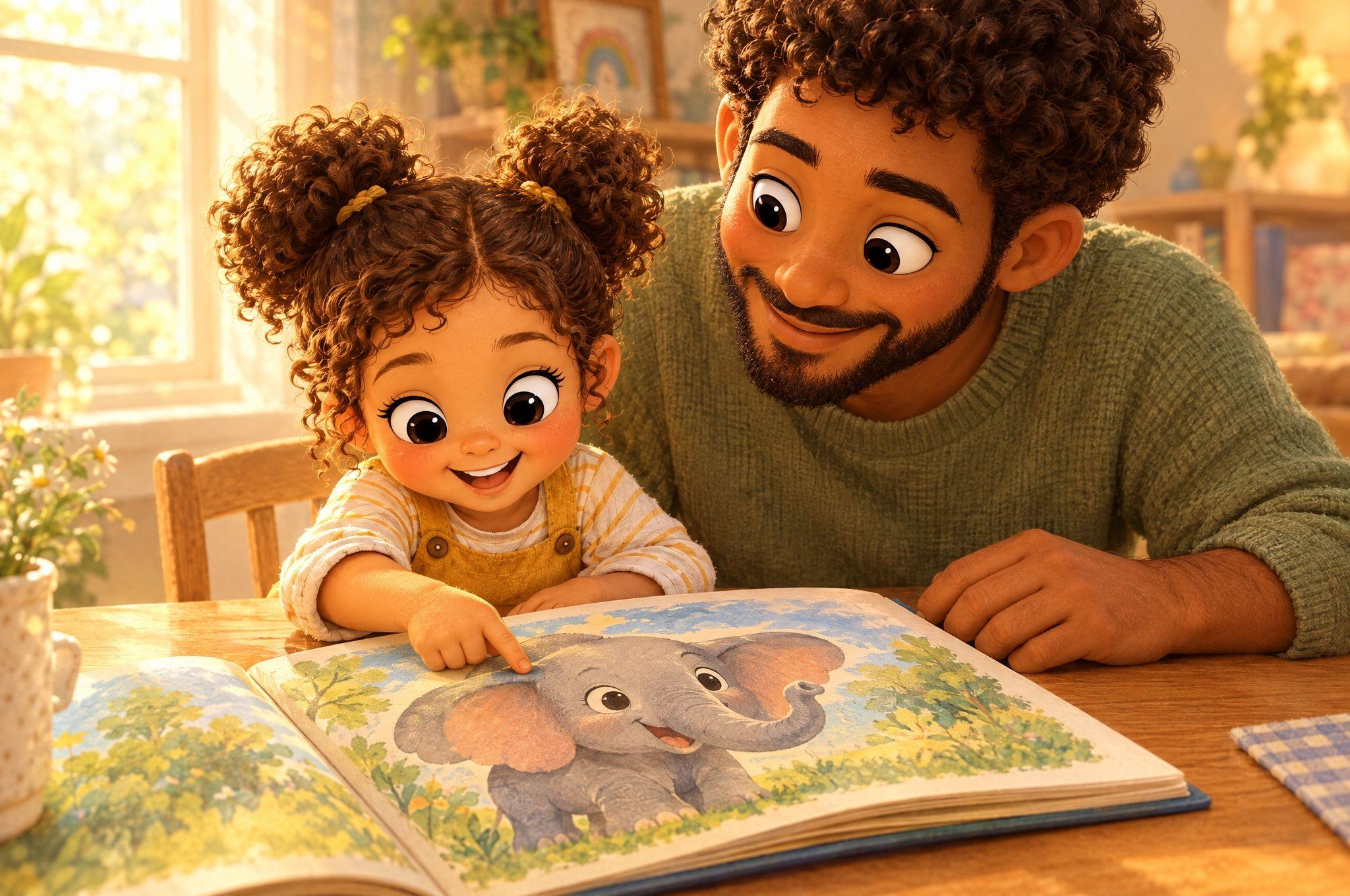
A counting book shows one number per page with that many things to count. Reading the same book every night lets your child predict what comes next, which builds confidence.
Tips that help numbers stick
- Point and touch. Help your child touch each object as they say a number. This stops skipping and double-counting.
- Stop at "how many". After counting, ask "So how many are there?" and repeat the last number together.
- Keep it short. A minute or two of counting, many times a day, works better than one long session.
- Count in your home language. If your family speaks more than one language, count in each. Children can learn number words in several languages at once.
- Celebrate mistakes. "Oops, let's count again!" keeps it fun and stress-free.
Make counting personal
Children pay more attention when the story is about them. A personalized counting book puts your child's illustrated character on every page, counting along from 1 to 10 or 1 to 20, with things they love, like farm animals, sea creatures or rockets.
It's a simple way to turn your bedtime story into the counting game they ask for again and again.
Frequently asked questions
When should a toddler be able to count to 10? Many children can recite numbers to 10 around age 3, and count 10 objects correctly around age 4 to 5. Every child is different, so focus on playful practice rather than a set date.
Should I teach numbers or counting first? Start with counting real things. Recognising written numbers usually comes later and is easier once your child understands what "three" means.
How can I make counting fun for a toddler who isn't interested? Use what they already love: count their cars, dinosaurs or favourite snacks, and keep sessions very short. Counting books where your child is the hero can also spark interest.
Ready to create your child's own storybook?
Turn your child into the hero of a fully illustrated, personalized story in minutes.