When Do Children Learn the Alphabet? A Parent's Guide by Age
What alphabet learning looks like from age 2 to 6, playful letter activities, and simple ways to help your child learn their ABCs.
Your child sings the ABC song perfectly, but can't point to the letter B. Is that normal? Completely. Learning the alphabet happens in stages, and singing the song is just the first one.
In this guide we answer when children learn the alphabet, what each stage looks like, and which playful activities help letters stick.
Alphabet learning by age
Every child develops at their own pace. These ages are rough guides, not targets.
- Around 2 to 3 years: many toddlers start singing the alphabet song and may recognise a few letters, often the first letter of their own name.
- Around 3 to 4 years: many children recognise several letters, especially those in their name, and begin to notice letters on signs and packaging.
- Around 4 to 5 years: many children recognise most uppercase letters, start matching letters to their sounds ("B says buh") and try writing a few letters.
- Around 5 to 6 years: most children know all the letters and many letter sounds, and use them to start reading simple words.
Knowing the name of a letter, its shape and its sound are three different skills. Children usually learn them in that order, and it takes time.
Signs your child is ready for letters
- They point at letters and ask "What's that?"
- They notice that their name starts with a certain letter.
- They pretend to "write" with scribbles that look like letters.
- They enjoy rhymes and silly sounds.
8 playful alphabet activities
1. Start with their name
The letters in your child's name are the most meaningful letters they know. Write their name on drawings, doors and lunch bags.
2. Letter of the day
Pick one letter and look for it everywhere: on cereal boxes, street signs and books.
3. I spy with sounds
"I spy something that starts with mmm..." This builds the link between letters and sounds.
4. Play-dough letters
Roll dough into snakes and shape them into letters. Touching letters helps children remember their shapes.
5. Alphabet treasure hunt
Hide magnetic or paper letters around the room and name each one as it's found.
6. Draw in sand or shaving foam
Tracing letters with a finger is fun, messy and great for little hands.
7. Sing slowly and point
Sing the ABC song slowly while pointing at each letter on a chart. This turns the song into letter recognition.
8. Read alphabet books together
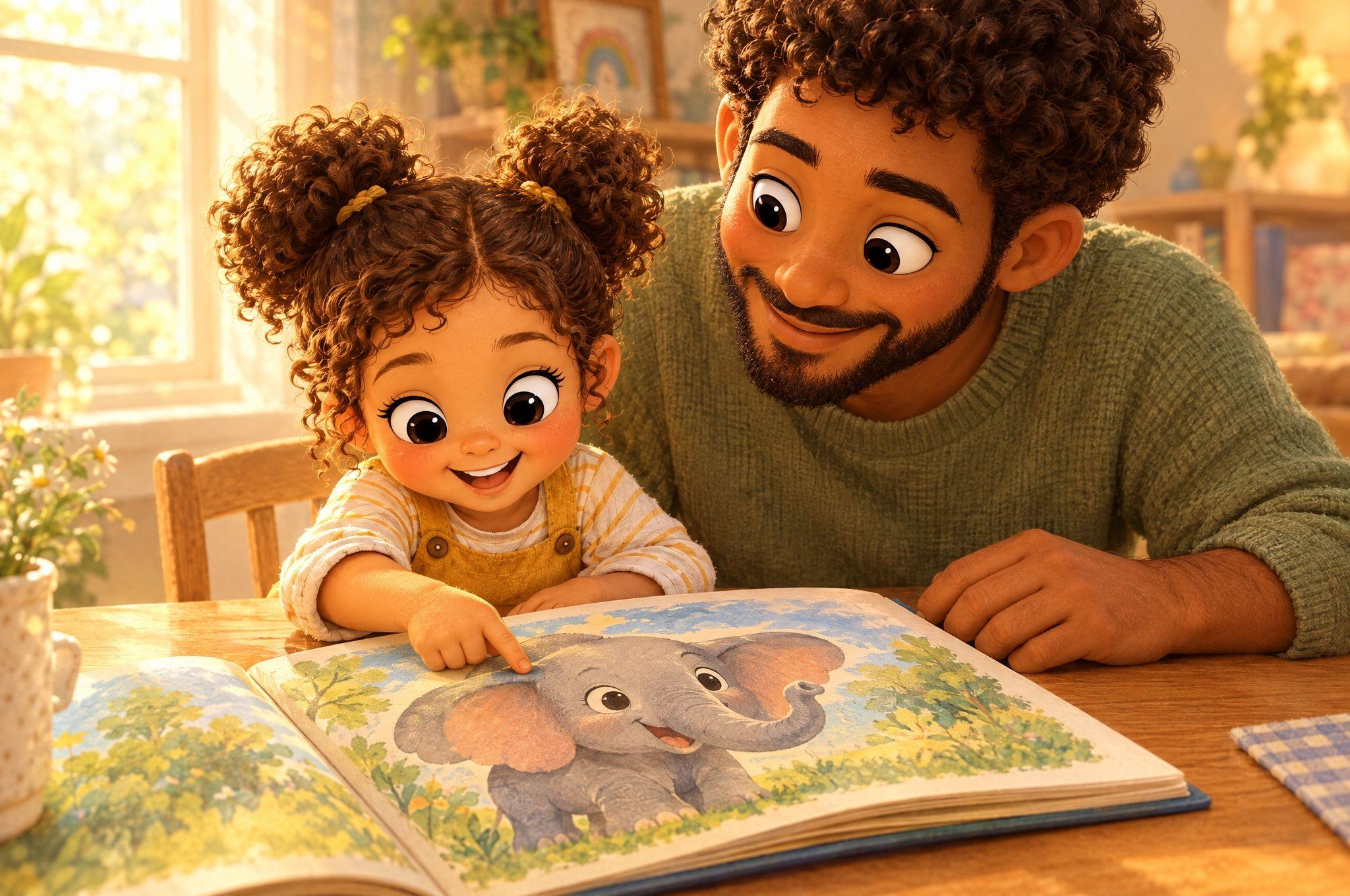
An alphabet book shows one letter per page with a word and a picture. Pause before turning the page and let your child guess what comes next.
Tips for learning the ABCs
- Little and often. Five minutes a day is better than one long lesson.
- Mix uppercase and lowercase slowly. Many children find uppercase letters easier first.
- Follow their interests. A dinosaur fan will remember "D for dinosaur" much faster.
- Read every day. Shared reading is one of the most natural ways for children to meet letters.
Make the alphabet about them
Children remember what feels personal. A personalized alphabet book puts your child's illustrated character on every page, exploring an alphabet in the language you choose, from A for apple to Z.
When your child sees themselves on the page, the alphabet becomes their own adventure, and that's the book they'll ask for at bedtime.
Frequently asked questions
At what age should a child know all their letters? Many children know most or all letters between ages 5 and 6. Some learn earlier, some later. Steady, playful exposure matters more than the exact age.
Should I teach letter names or letter sounds first? Both are useful. Many parents start with names because of the alphabet song, then add sounds once their child recognises a few letters.
My child can sing the ABC song but doesn't recognise letters. Is that normal? Yes. Singing the song is memorising a melody. Recognising letters is a separate skill that comes with time, books and play.
Ready to create your child's own storybook?
Turn your child into the hero of a fully illustrated, personalized story in minutes.