Printed Books vs Screens: Why Paper Still Matters for Young Children
What printed books offer young children that screens don't, how to balance both at home, and why bedtime is a good place for paper.
Tablets are part of family life, and digital stories can be wonderful. But many parents still wonder: are printed books better for young children than screens?
The honest answer is that both have a place. Here's what printed books offer, what research suggests, and how to find a balance that works at home.
What research suggests
Studies on young children and e-books are still growing, but a few findings come up often:
- More talking with print. A 2019 study in Pediatrics observed parents reading with toddlers and found that parents and children talked and interacted more with print books than with electronic versions.
- Fewer distractions. Animations, sounds and buttons can pull a child's attention away from the story itself.
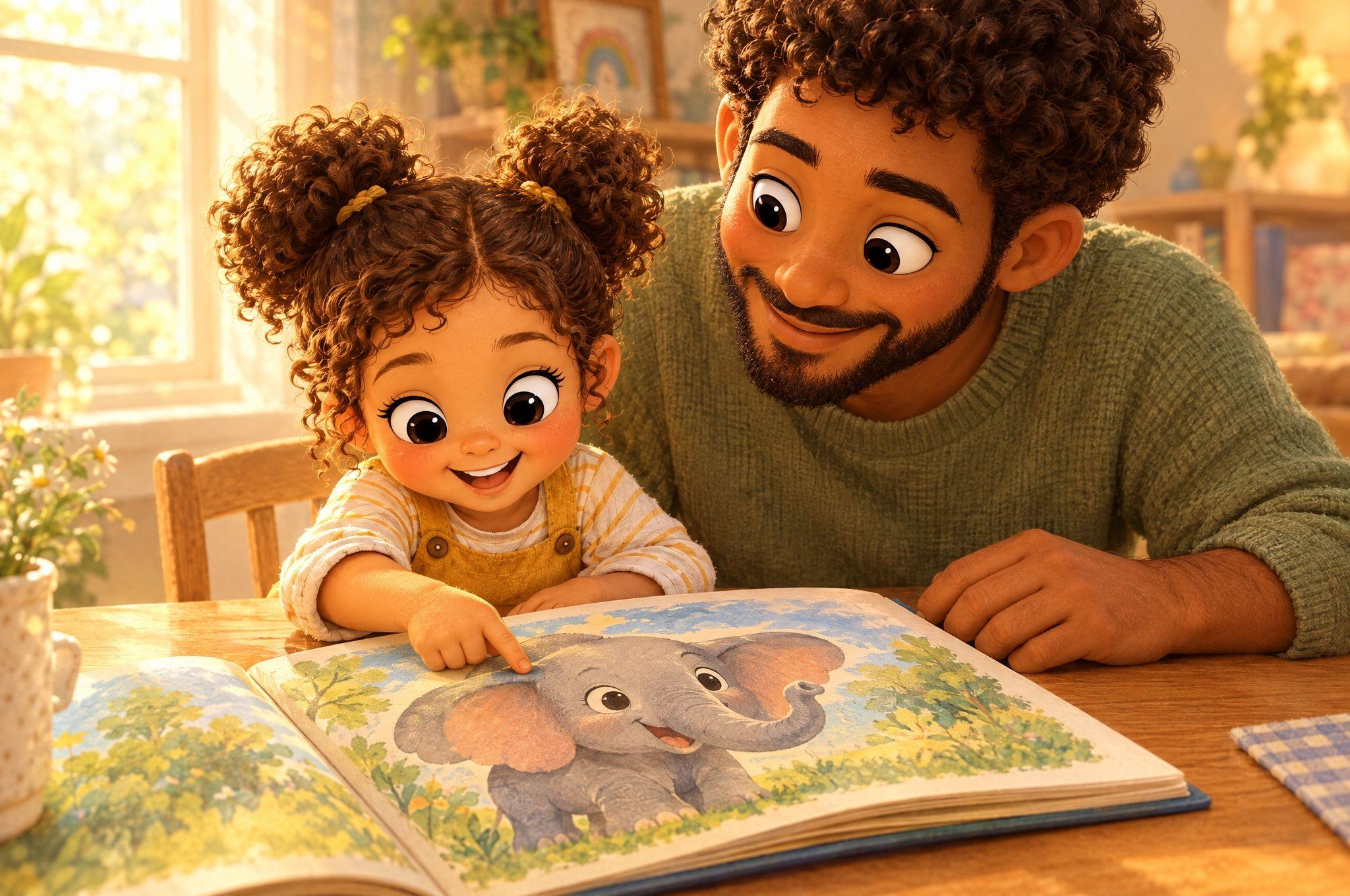
- Shared attention. With a paper book, parent and child look at the same page together, which invites questions and conversation.
None of this means screens are bad. It means the way you read together matters, and printed books make it easy to read in a calm, shared way.
What a printed book gives a young child
Something to hold and own
A book on the shelf is always there. Children can pick it up, carry it around and "read" it by themselves long before they can read words.
Calm at bedtime
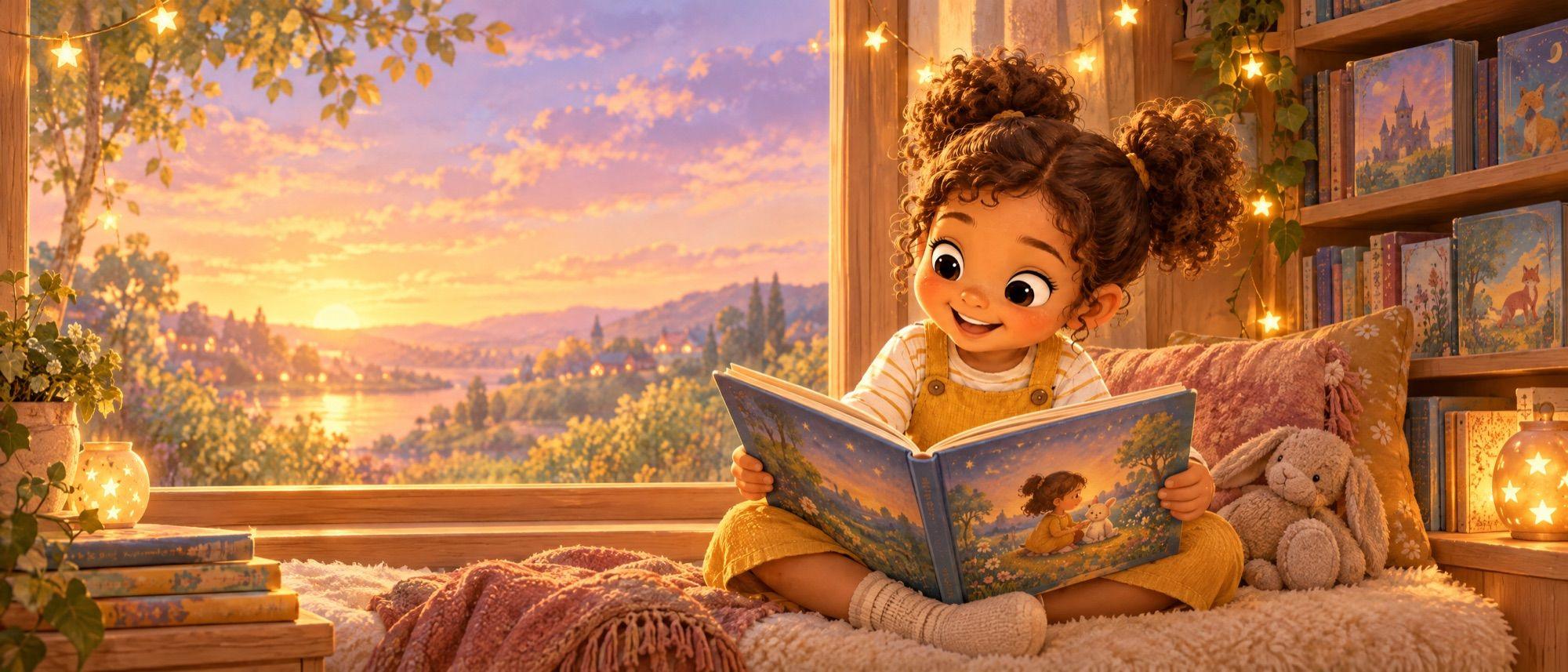
A printed book has no notifications and no glowing screen. That makes it a natural fit for the last story before sleep.
Turning pages at their own pace
Children control the page. They can go back to their favourite picture, linger on a detail or skip ahead, which builds independence.
A keepsake
Printed books last for years. Many families keep the books a child loved and pass them on to younger siblings.
How to balance paper and screens
- Use screens to create and discover, for example finding new stories or making one together.
- Use paper for the routines that matter, like the bedtime story.
- Read together, whatever the format. Talking about the pictures and asking "what happens next?" helps more than the device itself.
- Choose calm formats for little ones. Simple pictures and few distractions work best for toddlers.
Turn a favourite digital story into a printed book
The best of both worlds: create a story on screen, then hold it in your hands. With LuluStories you can turn a story you've saved into a printed hardcover book, with your child's illustrated character on the pages. You preview every page for free before ordering.
A story your child already loves on the tablet becomes the book on their shelf, and the one they reach for at bedtime.
Frequently asked questions
Are e-books bad for toddlers? No. They can be a good part of reading. Research suggests reading together and talking about the story matters most, and print books make that interaction easy.
At what age should children start reading printed books? You can share board books and picture books from babyhood. Looking at pictures, pointing and naming things are all part of early reading.
Is it worth printing a personalized story? For many families, yes. A printed book with your child as the hero becomes a keepsake they can hold, reread and keep for years.
Ready to create your child's own storybook?
Turn your child into the hero of a fully illustrated, personalized story in minutes.